
Views: 56 Author: Site Editor Publish Time: 2025-11-14 Origin: Site


Have you ever wondered how energy flows seamlessly through your devices? Connectors are the unsung heroes ensuring this uninterrupted power transfer. Understanding their importance is crucial for efficient energy systems. In this post, you'll learn about various types of energy connectors and their roles in different applications. Discover how to choose the right connector for your needs.
Energy connectors are devices that join electrical circuits to enable the flow of power. They serve as the vital links between components in energy systems, such as power supplies, batteries, solar panels, and electrical appliances. Their main purpose is to provide a secure, efficient, and stable connection that ensures energy transfer without interruption or loss.
There are several types of energy connectors designed to meet different needs and applications. The most common classifications include AC (alternating current) connectors and DC (direct current) connectors. Each type caters to specific voltage and current requirements and is designed to handle the unique characteristics of the current they carry.
AC Connectors: These connectors are used in systems where alternating current is supplied, such as household electrical outlets and industrial power supplies. They are designed to handle the changing polarity and frequency typical of AC power. Examples include standard plug and socket connectors and IEC connectors.
DC Connectors: DC connectors are used in systems where the current flows in a single direction. Applications include solar power systems, electric vehicles, and battery-powered devices. These connectors often need to ensure polarity is maintained to prevent damage to equipment. Examples include barrel connectors, Anderson Powerpole connectors, and MC4 connectors used in solar panels.
Beyond AC and DC, other specialized connectors exist, such as those for high voltage, high current, or specific environmental conditions. Some connectors combine power and signal transmission in one device, allowing efficient control and monitoring alongside power delivery.
Choosing the right connector depends on understanding the electrical system's requirements, including voltage, current, environmental factors, and safety standards. The connector must ensure a reliable connection throughout its lifespan, resist wear and corrosion, and support easy installation and maintenance.
When choosing energy connectors, two main factors stand out: durability and ease of installation and maintenance. These determine how well the connector performs over time and how simple it is to work with.
Energy connectors must withstand harsh conditions like heat, moisture, vibration, and corrosion. The materials used play a big role in this. High-quality connectors often use corrosion-resistant metals such as stainless steel or plated copper for contacts. Plastics used in the housing should resist UV rays and extreme temperatures.
Durable connectors ensure a stable connection throughout their lifespan. For example, connectors with an IP67 or higher rating protect against dust and water immersion, ideal for outdoor or industrial environments. This resistance prevents power loss and reduces maintenance needs.
Also, consider the connector’s mechanical strength. It should resist wear from repeated plugging and unplugging without losing contact integrity. Connectors designed for high mating cycles (thousands of connects/disconnects) are best for systems requiring frequent maintenance.
A connector that is easy to install saves time and reduces errors. Look for connectors with features like tool-free or snap-on designs. These allow quick, secure connections without special tools or expertise.
Clear labeling and standardized pin configurations help avoid wiring mistakes during installation. Connectors that support quick-release or locking mechanisms provide security and make maintenance safer and faster.
Maintenance is easier if connectors resist dirt, corrosion, and oxidation. Some designs include protective caps or seals to keep contaminants out. Connectors with smooth surfaces and accessible contacts simplify cleaning.
Choosing connectors with low maintenance needs means fewer system interruptions and longer operational life. This is especially important in remote or difficult-to-access installations.
Tip: Opt for connectors with high IP ratings and tool-free installation features to ensure durability and simplify maintenance in demanding energy systems.
Choosing energy connectors requires careful attention to voltage and current needs. Every system has specific electrical demands that connectors must safely support. Using a connector rated for lower voltage or current than your system requires can cause overheating, failure, or even fire hazards. Conversely, connectors rated too high might be unnecessarily bulky or expensive.
Voltage Rating: Ensure the connector’s voltage rating meets or exceeds your system’s maximum voltage. For example, residential AC systems typically use connectors rated for 120V or 240V, while industrial or renewable energy setups may require 600V or higher.
Current Rating: The connector must handle the maximum current your system draws. For instance, small electronics may need connectors rated for a few amps, but electric vehicles or solar power systems often require connectors rated for tens or hundreds of amps.
Safety Margins: It’s wise to select connectors with a safety margin above your system’s typical operating voltage and current to accommodate fluctuations or future upgrades.
Different energy systems use specific connector types designed for their unique characteristics:
AC Systems: Use connectors compatible with alternating current standards. Examples include NEMA plugs for household power or IEC connectors for appliances. These connectors handle changing polarity and frequency.
DC Systems: Require connectors that maintain polarity to prevent damage. Solar panels often use MC4 connectors, which ensure a secure, weatherproof connection. Electric vehicles use specialized high-current DC connectors like CCS or CHAdeMO.
Hybrid or Specialized Systems: Some systems combine power and data signals or operate in harsh environments. Connectors here may have additional pins or ruggedized designs to maintain system integrity.
Confirm connectors match the voltage and current ratings of all system parts, including cables, batteries, inverters, and loads.
Check connector pin configurations and wiring standards to avoid mismatches.
Consider future expandability; choose connectors compatible with potential upgrades or additional components.
Examples:
A solar power system with 600V DC panels requires MC4 connectors rated for at least 600V and the system’s peak current.
An industrial AC motor operating at 480V and 30A needs connectors rated accordingly, often with locking mechanisms for safety.
Choosing connectors that align perfectly with your system’s electrical specifications ensures safe, efficient operation and reduces risks of failures or costly replacements.
When choosing energy connectors, safety certifications and reliability under different environmental conditions are crucial. These features ensure your system operates safely and without interruption.
Safety certifications prove a connector meets industry standards for electrical safety. Look for connectors certified by recognized organizations such as:
UL (Underwriters Laboratories): Ensures connectors meet strict safety requirements for electrical devices.
CE (Conformité Européenne): Indicates compliance with European safety, health, and environmental protection standards.
RoHS (Restriction of Hazardous Substances): Confirms the connector is free from certain harmful materials.
IEC (International Electrotechnical Commission): Provides international standards for electrical connectors.
These certifications reduce risks like short circuits, electrical shocks, or fires. Using certified connectors helps comply with regulations and protects your equipment and users.
Energy connectors often face harsh environments. They must withstand heat, moisture, dust, vibrations, and chemicals without failing. Consider these factors:
Ingress Protection (IP) Ratings: IP ratings indicate how well a connector resists dust and water. For example, IP67 means the connector is dust-tight and can handle temporary immersion in water.
Temperature Range: Connectors should operate reliably within the temperature range of your environment. Some connectors handle extreme cold or heat, which is vital for outdoor or industrial use.
Corrosion Resistance: Materials like stainless steel or plated copper resist corrosion, extending connector life, especially in humid or salty environments.
Mechanical Strength: Connectors should resist vibrations and shocks. Locking mechanisms prevent accidental disconnections in moving or vibrating systems.
Choosing connectors designed for your environment ensures stable connections and reduces maintenance needs.
Some connectors include built-in safety features such as:
Overcurrent Protection: Prevents damage by stopping excessive current flow.
Polarized Designs: Ensure connectors only mate correctly, avoiding wiring errors.
Sealed Contacts: Prevent contaminants from entering and causing shorts.
These features enhance overall system safety and durability.
When selecting energy connectors, balancing initial cost against long-term benefits is crucial. While budget constraints often push toward cheaper options, investing in quality connectors pays off over time.
Low-cost connectors may seem attractive upfront but often come with hidden expenses. Poor-quality connectors can cause frequent failures, leading to costly downtime, repairs, or replacements. They may also reduce system efficiency, increasing energy losses and operational costs.
On the other hand, high-quality connectors typically have a higher initial price. However, they offer greater durability, better electrical performance, and reduced maintenance needs. This means fewer interruptions and longer system life, which lowers total cost of ownership.
Consider the total lifecycle cost rather than just purchase price. For example, a connector that lasts 10 years without issues can be more economical than a cheaper one needing replacement every 2 years.
Connector quality directly affects system reliability and efficiency. High-quality connectors use superior materials like gold-plated contacts for low resistance and corrosion resistance. This ensures stable, efficient energy transfer with minimal power loss.
Quality connectors also withstand harsh environments better. They resist corrosion, temperature extremes, and mechanical wear, maintaining secure connections over time. This reliability is vital for critical energy systems, such as solar arrays or industrial equipment.
Poor-quality connectors risk intermittent connections, voltage drops, or overheating. These issues can damage equipment, reduce system output, and pose safety hazards.
Material Quality: Look for corrosion-resistant metals and durable housing materials.
Certifications: Choose connectors with recognized safety and quality certifications.
Warranty and Support: Reliable manufacturers often provide warranties and technical support.
Application Needs: Match connector quality to system demands; high-stress environments justify premium connectors.
Investing wisely in connectors enhances system stability, safety, and efficiency, ultimately saving money and effort.
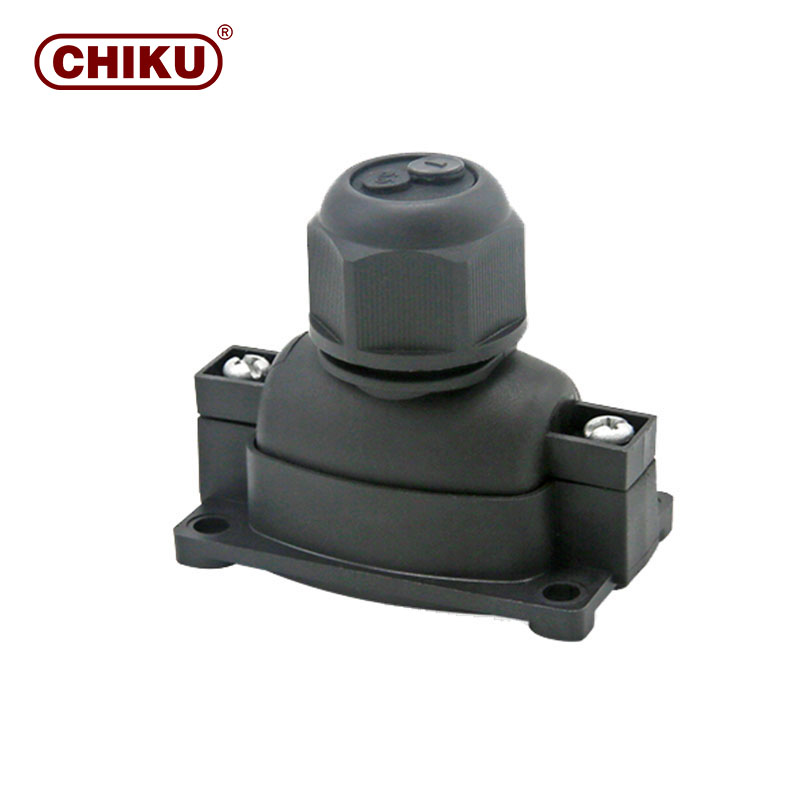
When selecting energy connectors, user feedback can be a goldmine of information. Real-world experiences shared by other customers reveal how connectors perform beyond technical specs. They highlight strengths, weaknesses, and potential issues you might not find in product datasheets.
Customer reviews provide insight into:
Durability over time: Users often report how connectors hold up after months or years of use, especially under harsh conditions.
Ease of installation: Reviews can reveal if connectors are truly tool-free or if they require special skills.
Compatibility: Customers mention if connectors fit well with specific systems or brands.
Safety and reliability: Reports of failures, shorts, or overheating help identify connectors to avoid.
Manufacturer support: Feedback may include how responsive and helpful the supplier is if issues arise.
This information helps you avoid costly mistakes and select connectors that meet your needs.
Not all reviews carry equal weight. Here’s how to make sense of them:
Look for patterns: One-off complaints might be isolated incidents. Consistent issues across multiple reviews are red flags.
Check review dates: Newer reviews reflect current product quality and updates.
Consider the reviewer’s context: Industrial users may have different needs than residential ones. Match reviews to your application.
Balance positives and negatives: A product with mostly positive reviews but some negatives might still be a good choice if issues are manageable.
Use multiple sources: Look at reviews on manufacturer sites, third-party retailers, and industry forums for a well-rounded view.
Industry forums: Communities for solar, electric vehicles, or industrial power often discuss connectors in detail.
B2B marketplaces: Sites like Alibaba or specialized electrical supply stores feature verified buyer feedback.
Professional review sites: Some websites conduct independent tests and publish detailed connector reviews.
Social media groups: LinkedIn or Facebook groups related to energy systems can provide peer recommendations.
Ask suppliers for customer references or case studies.
Request samples to test connectors in your own environment.
Consult with industry experts or engineers for advice tailored to your system.
Using customer reviews smartly helps you choose energy connectors that deliver reliable performance, safety, and value.
Tip: Prioritize connectors with consistent positive feedback on durability and compatibility to ensure long-term system reliability and user satisfaction.
Choosing energy connectors involves considering durability, ease of installation, compatibility, safety, and cost. These factors ensure optimal system performance and reliability. Investing in quality connectors, like those offered by Huntec, ensures long-term durability and safety, enhancing system efficiency. By prioritizing these aspects, you can avoid costly maintenance and downtime, ensuring your energy system operates smoothly and effectively.
A: An energy connector is a device that links electrical circuits, enabling the flow of power between components in energy systems, such as power supplies and solar panels.
A: Choose an energy connector based on your system's voltage, current requirements, environmental conditions, and safety standards to ensure reliable and efficient energy transfer.
A: Energy connectors are crucial for maintaining secure, efficient connections in electrical systems, preventing power loss and ensuring stable operation.
A: High-quality energy connectors offer durability, better electrical performance, reduced maintenance needs, and longer system life, minimizing total cost of ownership.


