
Views: 112 Author: Site Editor Publish Time: 2026-01-30 Origin: Site


Terminal blocks are an essential component in electrical systems, serving as a secure and organized way to connect wires in a wide variety of applications. These components ensure that electrical connections are safe, reliable, and efficient, making them a crucial part of modern electrical systems. In this article, we will explore how terminal blocks work, their components, types, and the benefits they provide to electrical installations.
A terminal block is a modular, insulated device used to connect and organize electrical wires within a system. It serves as a point of connection for multiple wires, securely joining them in an orderly fashion, and facilitating the safe distribution of electrical power. These components are essential for ensuring stable and reliable electrical systems, especially in complex applications such as industrial control panels, distribution boards, and power supply systems.
Terminal blocks are typically made from durable insulating materials like plastic or ceramic, with conductive metal parts (usually copper or brass) that create the electrical connection. The wires are inserted into the terminal block and securely fastened using screws, springs, or other clamping mechanisms.
The purpose of this article is to provide a detailed explanation of how terminal blocks work, including their basic components, types, and their role in electrical safety.
The insulating base is the foundation of a terminal block, typically made from materials like plastic, ceramic, or other heat-resistant compounds. This base serves to isolate the electrical components and prevent short circuits, electrical shocks, or other safety hazards. The insulating base ensures that the electrical connections within the terminal block do not come into contact with surrounding components, maintaining safe and efficient operation.
The conductive elements of a terminal block are typically made from metals like copper or brass, which provide a reliable path for electrical current to flow between the connected wires. These metal parts are designed to create a firm and stable connection between the wires, ensuring that the current is transmitted without loss or interference.
In many terminal blocks, the conductive elements are shaped to securely hold the wire in place. These elements may be designed to create a larger surface area for contact, ensuring a low-resistance connection.
The clamping mechanism is one of the most important features of a terminal block. It serves to hold the wire securely in place, preventing it from loosening or becoming disconnected. The clamping mechanism may vary depending on the type of terminal block, but it generally involves either a screw, spring, or push-in design.
Clamping Mechanism | Description | Advantages |
Screw Mechanism | Uses screws to tighten the wire between conductive elements. | Provides a secure connection, suitable for industrial use. |
Spring Mechanism | Uses a spring-loaded system to clamp the wire in place. | Fast installation, tool-free, and reliable for low to medium power applications. |
Push-in Mechanism | Pushes the wire into the terminal block, securing it with a spring. | Quick installation, no tools required, and ideal for fast changes. |
Some terminal blocks include a cover to further protect the electrical connections and prevent accidental contact. This cover can be made from the same insulating material as the base and is designed to shield the terminals from dust, moisture, and physical damage. Covers are especially important in harsh environments where the terminal block may be exposed to external contaminants.
The process of inserting a wire into a terminal block is straightforward but requires careful attention to ensure a secure connection. Here's how it works:
Prepare the Wire: First, the wire must be stripped to expose the necessary amount of conductor. This is usually done with a wire stripper, ensuring that only the required length of insulation is removed.
Insert the Wire: Once the wire is prepared, it is inserted into the terminal block's designated terminal. Depending on the type of terminal block, the wire is either pushed in (in the case of push-in blocks), held in place by a spring (in the case of spring terminals), or placed between metal plates and secured with a screw (in the case of screw-type blocks).
Secure the Connection: The wire is then secured within the terminal block. In screw-type blocks, this involves tightening the screw to clamp the wire in place. In spring-type blocks, the spring-loaded mechanism holds the wire tightly in place. In push-in blocks, the mechanism automatically secures the wire once it is inserted.
The clamping mechanism plays a crucial role in ensuring a secure connection. When the wire is inserted and tightened, the clamping mechanism creates a solid electrical contact by compressing the wire against the conductive metal parts of the terminal block. This firm connection ensures that the electrical current can flow smoothly through the wire, minimizing resistance and preventing loose connections that could lead to overheating or failure.
The clamping mechanism also prevents the wire from becoming disconnected due to vibrations, movement, or external forces. A secure connection is essential in preventing electrical malfunctions, arcing, or short circuits.
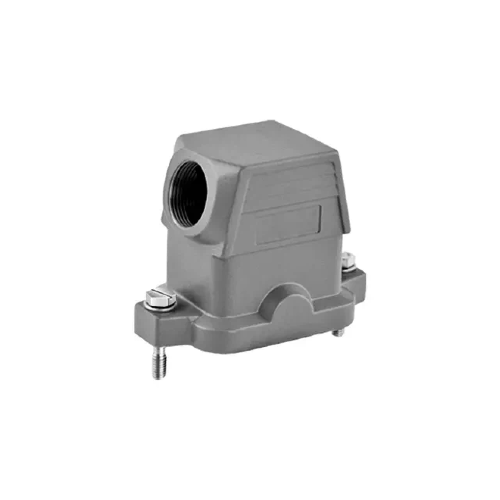
Screw-type terminal blocks are the most common type of terminal block. They use a screw to secure the wire in place by pressing it against a conductive metal element. The screw mechanism provides a strong, secure connection that is easy to install and maintain.
Advantages: Screw-type terminal blocks offer a high degree of security, making them ideal for industrial applications and high-power systems.
Disadvantages: Installation may take slightly longer compared to spring or push-in terminals, as it requires the use of tools to tighten the screws.
Spring-type terminal blocks use a spring-loaded mechanism to secure the wire. Once the wire is inserted, the spring pushes against the wire, holding it firmly in place without the need for tools. This type of terminal block is ideal for applications where speed and ease of installation are essential.
Advantages: Faster installation, tool-free connections, and reliable connections for low to medium power systems.
Disadvantages: May not provide the same level of mechanical security as screw-type blocks in high-vibration environments.
Barrier terminal blocks are designed to separate multiple circuits or wires that carry different voltages or currents. These terminal blocks have physical barriers between each terminal, ensuring that wires do not touch and cause short circuits. They are often used in complex control panels and industrial systems where multiple connections need to be isolated.
Advantages: Provides clear separation of wires, enhancing safety in complex systems.
Disadvantages: Slightly larger than other terminal blocks and may require more space in the system.
Push-in terminal blocks are the simplest to install. With this type of terminal block, the wire is simply pushed into place and secured by a spring mechanism. This tool-free design makes push-in terminal blocks ideal for quick installations in applications where frequent modifications are required.
Advantages: Quick and easy installation, ideal for situations that require frequent changes or updates.
Disadvantages: May not be suitable for high-power applications or environments where a more secure connection is needed.
Terminal blocks are crucial for ensuring the safety and reliability of electrical systems. By securely connecting wires, terminal blocks reduce the risk of loose connections, which can lead to overheating, electrical shorts, or even fires. They provide an organized, standardized method of connecting electrical wires, making it easier to troubleshoot and maintain electrical systems.
One of the key benefits of using terminal blocks is that they make it easier to maintain and troubleshoot electrical systems. Since terminal blocks are clearly labeled and organized, it is easier to identify and isolate specific connections when performing maintenance or repairs. This organization also allows for easy upgrades or modifications to the system without the need to rewire the entire setup.
As electrical systems become more complex, the need for organized and secure connections increases. Terminal blocks provide a modular, scalable solution for connecting a large number of wires in a controlled manner. This makes them ideal for use in control panels, distribution boards, and other large electrical systems.
In control panels, terminal blocks are used to organize and secure the wiring that connects various electrical components. They provide a central point for wiring connections, ensuring that all components are properly connected and easily accessible for maintenance.
Distribution boards are critical for managing the flow of electricity to various circuits in a building or facility. Terminal blocks are used in these systems to connect incoming power to different circuits, ensuring that each circuit is securely and efficiently connected.
In industrial systems, terminal blocks are used to connect a wide range of electrical components, including motors, sensors, and control systems. These systems often require high levels of reliability and safety, making terminal blocks an essential component for organizing and securing connections.
Regular inspection of terminal blocks is necessary to ensure that they are functioning properly. Look for signs of wear, overheating, or corrosion, as these can affect the integrity of the electrical connections. Tightening loose connections and replacing damaged terminal blocks can help maintain the safety and reliability of the system.
Check Wire Compatibility: Ensure that the wire gauge and terminal block are compatible to prevent overheating or poor connections.
Inspect Regularly: Regularly check the condition of the terminal block, especially in high-vibration environments.
Follow Manufacturer Instructions: Always follow the installation instructions provided by the manufacturer.
Terminal blocks play a crucial role in maintaining the safety, organization, and reliability of electrical systems. By offering a secure and efficient method for connecting wires, they significantly reduce the risks of electrical faults and improve the overall performance of the system. Whether you're working on a simple residential wiring project or a complex industrial installation, terminal blocks are an indispensable component that ensures both safety and efficiency.
At Huntec, we specialize in providing high-quality terminal blocks that meet the needs of various industries. Our products are designed for ease of installation, reliability, and durability, making them ideal for any electrical setup. Whether you need a custom solution or guidance in selecting the right terminal block for your project, our team is here to assist you. Reach out to us today to learn more about how our terminal blocks can help optimize your electrical systems and ensure long-term safety and performance.
Terminal blocks securely connect wires by holding them in place with a clamping mechanism, such as screws or springs. This ensures a reliable electrical connection.
Terminal blocks are available in various types, including screw-type, spring-type, barrier-type, and push-in terminal blocks. Each type is designed for different applications and installation methods.
Terminal blocks provide a secure and organized way to connect electrical wires, ensuring that connections are safe, reliable, and easy to maintain.
To install a terminal block, insert the stripped wire into the designated terminal and tighten the screw or spring mechanism to secure the wire.
Regular inspection is essential to ensure that terminal blocks remain secure and free from wear, corrosion, or overheating. Tighten any loose connections and replace damaged blocks as needed.


