
Views: 85 Author: Site Editor Publish Time: 2025-12-03 Origin: Site


Are you aware of the vital role Connectors play in powering modern systems? These connectors ensure seamless energy flow across various applications. Proper installation is crucial for safety and efficiency. In this post, you'll learn about energy connectors, their types, features, and installation best practices.
Energy connectors come in various types, each designed for specific applications and environments. The main categories include:
High Voltage Energy Connectors: These handle high power levels safely, often used in large energy storage systems or industrial setups. They manage voltages up to 1500V or more and carry high currents without overheating.
Battery Storage Connectors: Designed specifically for modular battery packs, these connectors ensure secure, low-resistance connections. They often feature locking mechanisms to prevent accidental disconnections.
Power Connectors for Batteries: These robust connectors focus on handling high current loads efficiently. They minimize heat generation and maintain stable electrical contact under demanding conditions.
Solar Panel Connectors (e.g., MC4): Common in renewable energy systems, MC4 connectors are waterproof, dustproof, and designed to withstand extreme temperatures. They facilitate easy connection of solar panels in series or parallel arrays.
Each type serves a unique role, so selecting the correct one depends on your system’s requirements.
When evaluating energy connectors, consider these critical features:
Voltage and Current Ratings: The connector must support your system’s maximum voltage and current to avoid failures. For example, a connector rated for 1500V and 300A is suitable for large-scale battery systems.
Ingress Protection (IP) Rating: IP ratings like IP67 or IP68 indicate resistance to dust and water, essential for outdoor or harsh environments.
Material Quality: Contacts often use silver or gold plating to enhance conductivity and prevent corrosion. Housing materials include high-grade plastics or thermoset composites that resist heat and mechanical stress.
Temperature Range: Connectors must operate reliably across your system’s temperature extremes, sometimes from -40°C to +90°C.
Locking Mechanisms: Secure locking prevents accidental disconnections, ensuring system safety and continuity.
Compliance and Certifications: Look for connectors certified by UL, TUV, CE, or RoHS to ensure safety and environmental standards are met.
Understanding these features helps you choose connectors that deliver durability, safety, and optimal performance for your energy system.
Tip: Always verify voltage and current ratings of connectors against your system specs to ensure safe, reliable operation and avoid costly replacements.
Selecting an energy connector starts with matching its voltage and current ratings to your system’s needs. The connector must handle the highest voltage and current your setup will deliver without overheating or failing. For example, if you have a battery system running at 1500 volts and 300 amperes, choose a connector rated at or above those values. Underrated connectors risk melting, short circuits, or power loss. Always check the manufacturer’s datasheet for maximum voltage and current specs before buying.
Your energy connectors must endure the environment where they’ll operate. Outdoor or industrial settings expose connectors to moisture, dust, chemicals, and temperature swings. Look for connectors with high ingress protection (IP) ratings, like IP67 or IP68, which means they resist dust and water. Materials matter too: choose corrosion-resistant metals such as silver or gold-plated contacts and robust housings made from high-grade plastics or thermoset composites. Also, consider vibration and mechanical stress; connectors with secure locking mechanisms help prevent accidental disconnections in harsh conditions.
Safety and reliability depend on connectors meeting recognized standards. Always select connectors certified by bodies such as UL, TUV, CE, or RoHS. These certifications verify that connectors comply with electrical safety, environmental regulations, and quality control. Using certified connectors reduces risks of failure, fire, or regulatory issues. It also ensures your system meets industry best practices and can pass inspections if needed.
Before starting the installation of energy connectors, preparation is key. Gather all necessary tools to ensure a smooth process. Common tools include:
Wire strippers or a sharp knife for removing insulation
Crimping tools designed for the specific connector terminals
Screwdrivers or wrenches for securing connector housings
Multimeter for testing electrical continuity and polarity
Insulation tape or heat shrink tubing for additional protection
Make sure you have the correct connector types and sizes matching your cables. Review the manufacturer’s instructions carefully to understand assembly steps and torque requirements. Clean work areas help avoid contamination of contacts.
Strip the Cable Insulation:Remove the insulation from cable ends carefully without damaging the conductor strands. The stripped length should match the connector terminal specifications.
Crimp the Connector Terminals:Insert the exposed conductor into the connector terminal. Use the appropriate crimping tool to secure the terminal firmly onto the conductor. A proper crimp ensures low resistance and mechanical strength.
Assemble the Connector Housing:Slide the housing components, strain relief, and compression sleeves onto the cable before attaching the terminal. After crimping, push the terminal into the connector housing until it clicks or locks in place.
Secure the Connector:Tighten any locking nuts or screws as per the manufacturer’s torque specifications. This step prevents loosening due to vibration or mechanical stress.
Test the Connection:Use a multimeter to verify electrical continuity and correct polarity. Check for any short circuits or open connections before powering the system.
Repeat for the Mating Connector:Follow the same procedure for the opposite connector to complete the pair. Ensure male and female connectors match and are compatible.
Incorrect Polarity: Connecting positive and negative terminals wrongly can cause system failure or hazards. Always double-check wiring diagrams.
Insufficient Stripping: Too little insulation removed leads to poor contact; too much exposes conductors risking shorts.
Poor Crimping: Loose or uneven crimps increase resistance and heat buildup, risking connector failure.
Skipping Cleaning: Dirt, oil, or oxidation on contacts reduces conductivity and may damage connectors.
Over-tightening: Excessive torque can crack housings or deform terminals, compromising safety.
Premature Connection: Don’t mate connectors before installation is complete to avoid damage or misalignment.
By following these steps carefully, you ensure a secure, reliable connection that supports system performance and safety.
Always start by carefully reading the manufacturer’s instructions. Each energy connector model has specific assembly steps, torque settings, and safety precautions. Ignoring these can lead to poor connections or damage. Manufacturers design connectors to perform best when installed exactly as described. They often provide detailed diagrams and tips for handling sensitive parts. Following these guidelines ensures the connector’s sealing, locking mechanisms, and electrical contacts work properly. This reduces risks of failure, shorts, or corrosion later on.
Secure connections are vital for safety and system performance. Use the recommended torque values when tightening screws or nuts on connectors. Too loose, and the connection may vibrate loose or create resistance, causing heat buildup. Too tight, and you risk cracking plastic housings or deforming terminals. Use proper tools like calibrated torque wrenches or drivers to get it right every time.
Also, make sure connectors are fully locked or clicked into place. Many energy connectors have locking clips or screws to prevent accidental disconnection. Confirm these are engaged. If connectors are exposed to vibration or movement, consider additional strain relief or cable supports to protect the connection.
Safety also means double-checking polarity and wiring before powering up. Incorrect wiring can cause damage or hazards. Use a multimeter to verify continuity and correct polarity after installation.
Installation is not the end. Regular inspection keeps connectors reliable over time. Check connectors for signs of wear, corrosion, or damage, especially in harsh environments. Look for cracks in housings, loose locking mechanisms, or discoloration that may indicate overheating.
Clean contacts if you see dirt, dust, or oxidation. Use appropriate contact cleaners or isopropyl alcohol and soft brushes. Avoid abrasive materials that could damage plating.
Inspect strain reliefs and cable jackets for wear or chafing. Replace any damaged parts promptly to avoid failures.
Schedule routine testing of electrical continuity and insulation resistance. This helps catch early signs of connector degradation before they cause system downtime.
Tip: Always use a calibrated torque tool to tighten connectors precisely, ensuring secure, vibration-resistant connections without damaging components.
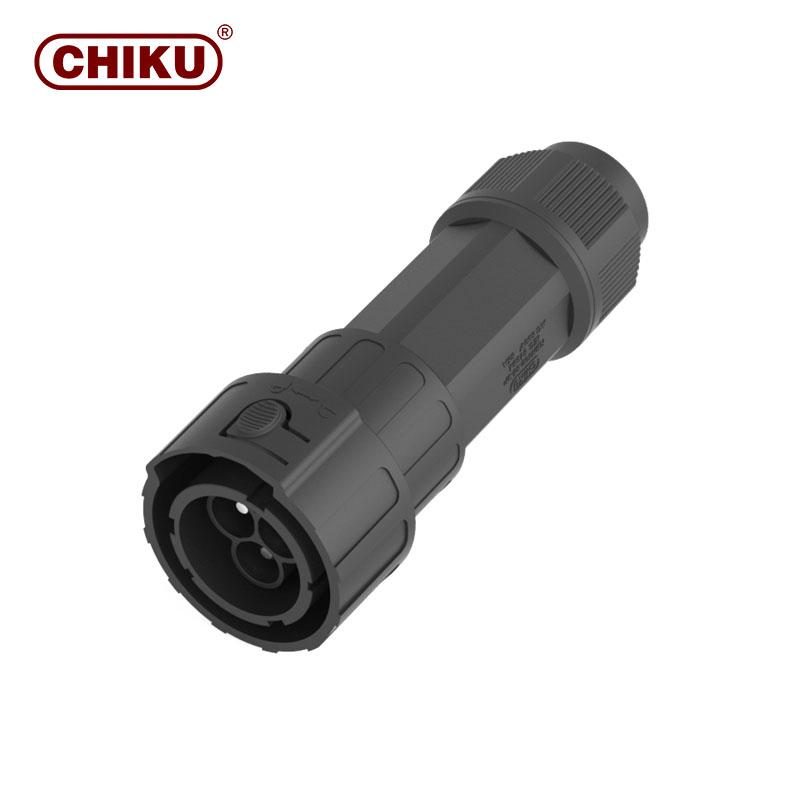
Energy connectors may develop issues over time due to wear, environmental exposure, or installation errors. Common problems include:
Loose Connections: Vibration or improper tightening can cause connectors to loosen, leading to intermittent power loss or arcing.
Corrosion and Oxidation: Moisture or contaminants can corrode metal contacts, increasing resistance and reducing conductivity.
Overheating: Excessive current or poor contact can generate heat, damaging connectors and insulation.
Physical Damage: Cracked housings, bent terminals, or broken locking mechanisms compromise safety and functionality.
Incorrect Polarity or Wiring: Miswiring connectors can cause system failure or hazards like short circuits.
Ingress of Dust or Water: Damaged seals or worn connectors may allow dust or moisture inside, causing shorts or corrosion.
Recognizing these symptoms early helps prevent costly downtime or safety risks.
Addressing connector issues promptly ensures system reliability:
Tighten Loose Connections: Use a calibrated torque tool to secure connectors per manufacturer specs. Avoid over-tightening.
Clean Corroded Contacts: Gently clean contacts using isopropyl alcohol and a soft brush. Replace connectors if corrosion is severe.
Replace Damaged Parts: Cracked housings or broken terminals require full replacement to maintain safety.
Correct Wiring Errors: Double-check wiring diagrams and polarity. Re-terminate cables if needed, ensuring proper crimping and insulation.
Seal and Protect: Replace worn seals or use additional protective measures like heat shrink tubing to prevent ingress.
Monitor Temperature: Use infrared thermometers or thermal cameras to detect hotspots indicating poor connections.
Routine maintenance reduces the chance of these problems recurring.
Some issues require expert intervention:
Persistent overheating despite tightening and cleaning
Complex rewiring or system modifications
Unknown or unclear fault sources after basic troubleshooting
Connectors in hazardous or high-voltage environments
When specialized tools or certifications are needed for repairs
Consulting professionals ensures repairs meet safety standards and prevent further damage.
Shielded connectors play a vital role in reducing electromagnetic interference (EMI) in energy systems. EMI can cause signal degradation, data errors, or even system malfunctions, especially in environments with many electronic devices or high-frequency switching. Using shielded connectors helps block unwanted noise by surrounding the conductor with a conductive layer connected to ground. This shielding maintains signal integrity and improves overall system reliability.
For example, in electric vehicle battery packs or renewable energy inverters, shielded connectors ensure clean power transfer and communication signals. When selecting shielded connectors, consider the shielding effectiveness rating and ensure compatibility with your cable and system grounding scheme. Proper grounding of the shield is essential to maximize its performance.
Choosing the right materials for energy connectors significantly impacts durability and safety. Contacts made from silver or gold-plated copper offer excellent conductivity and resist corrosion. Gold plating, while more expensive, provides superior corrosion resistance and is ideal for connectors exposed to harsh environments or frequent mating cycles.
Connector housings should be made from high-grade plastics or thermoset composites that resist heat, mechanical stress, and chemical exposure. Materials like polyamide or thermoplastic elastomers provide excellent mechanical strength and maintain insulation properties over wide temperature ranges.
Sealing materials also matter. Silicone or EPDM gaskets ensure connectors remain dustproof and waterproof, meeting IP67 or IP68 standards. This protects internal contacts from moisture and contaminants, extending connector life.
Designing your energy system with future expansion in mind saves time and cost later. Select connectors that support modularity and easy disconnection. Quick-connect or tool-less connectors allow fast replacement or system reconfiguration without specialized tools.
Consider connectors with standardized form factors and interfaces. This flexibility enables compatibility with new components or technologies as they emerge. Also, plan cable routing and connector placement to allow easy access during maintenance or upgrades.
Document connector specifications, wiring diagrams, and installation procedures thoroughly. This information aids technicians when upgrading or troubleshooting the system.
Installing energy connectors requires careful preparation and adherence to manufacturer guidelines for optimal performance and safety. Key steps include stripping cable insulation, crimping terminals, and securing housings. Regular inspection and maintenance ensure long-term reliability. Huntec offers high-quality connectors with features like corrosion-resistant contacts and secure locking mechanisms. Their products provide value by ensuring safe, efficient energy system operations. Proper installation practices and choosing the right connectors are crucial for maximizing system performance and longevity.
A: An energy connector is a device used to join electrical circuits, ensuring safe and reliable power transmission in various applications.
A: To install an energy connector, strip cable insulation, crimp terminals, assemble housing, secure connections, and test with a multimeter.
A: Energy connectors, such as MC4 for solar panels, ensure secure, weather-resistant connections crucial for efficient energy transfer.
A: Consider voltage/current ratings, environmental resistance, material quality, and certifications for a suitable energy connector.
A: Check for loose connections, corrosion, overheating, and incorrect polarity; clean contacts and replace damaged parts as needed.


