
Views: 84 Author: Site Editor Publish Time: 2025-11-28 Origin: Site


Imagine a world where energy systems fail due to tiny, overlooked components. Connectors play a crucial role in ensuring the smooth flow of electricity. They are vital links within energy systems, maintaining safety and efficiency. In this post, you'll learn what energy connectors are, their importance in energy systems, and the different types available.
Maintaining energy connectors is essential for safe, efficient, and long-lasting energy systems. These connectors are the critical points where electrical energy flows between components. If they fail, the entire system’s performance can suffer or even stop.
Energy connectors carry electrical current, so keeping them in good shape is vital for safety. Loose or dirty connectors can cause sparks or overheating, which might lead to fires or damage. Clean, secure connectors allow electricity to flow smoothly, preventing energy loss and reducing the risk of hazards. For example, in solar power systems, well-maintained connectors ensure maximum energy transfer from panels to batteries or the grid.
Neglecting connector maintenance can lead to corrosion, dirt buildup, or loose contacts. These issues may cause system failures or reduced efficiency, forcing expensive repairs or replacements. Regular upkeep helps catch problems early, avoiding costly downtime. For instance, checking connectors after storms or heavy rain prevents moisture-related damage that could otherwise require pricey fixes.
Proper maintenance prolongs the life of energy connectors and the entire system. When connectors remain clean, tight, and corrosion-free, they sustain reliable electrical connections over time. This reduces wear on other components and delays the need for replacements. In industrial settings, this means fewer interruptions and better return on investment.
Energy connectors are small but vital parts of any energy system. When they have issues, the whole system can suffer. Let’s look at some common problems you might find and why they matter.
Corrosion happens when moisture or water gets inside connectors. This causes metal parts to rust or degrade. Rust blocks the flow of electricity, making the connection weak or even breaking it. Corroded connectors can cause power loss or system failure. For example, solar connectors near the coast often face saltwater corrosion, which speeds up damage.
Connectors exposed outdoors collect dirt, dust, and debris over time. These particles can settle inside the connectors and disrupt the electrical contact. Dust buildup increases resistance, leading to less efficient energy transfer. In some cases, dirt can trap moisture, which worsens corrosion risks. Keeping connectors clean is key to avoiding these issues.
Connectors that are not tightly secured can cause serious problems. Loose connections create gaps where electricity arcs or sparks. This can lead to overheating, damaging the connector and surrounding parts. Overheated connectors may melt or cause fires if left unchecked. This issue often results from improper installation or vibration in industrial settings.
Maintaining energy connectors requires some basic tools and supplies. Having the right equipment helps you clean, protect, and inspect connectors properly, ensuring they last longer and work efficiently.
Start with simple cleaning tools like a small brush or a soft cloth. These help remove dirt, dust, and debris without damaging connectors. A soft brush can reach tight spots inside connectors, while a microfiber cloth wipes surfaces clean gently.
You might also use a small screwdriver or a connection tool. These help tighten loose connectors or carefully disconnect them without causing damage. Using the right tool prevents wear and tear on connectors during maintenance.
Electrical contact cleaners are liquids designed to clean metal parts inside connectors. They remove corrosion, grease, and dirt that reduce electrical contact quality. These cleaners evaporate quickly and leave no residue, so connectors stay clean and ready to conduct electricity.
Always choose cleaners made for electronics. Avoid harsh chemicals that might damage plastic parts or seals. Spray the cleaner on metal contacts and let it dry completely before reconnecting.
Dielectric grease is a special lubricant used on electrical connectors. It prevents moisture and air from causing corrosion on metal contacts. Applying a thin layer of dielectric grease after cleaning protects connectors from rust and extends their lifespan.
It also helps connectors fit snugly and reduces friction during connection and disconnection. Use just a small amount — too much grease can interfere with electrical contact.
Tip: Keep a maintenance kit with a soft brush, electrical contact cleaner, dielectric grease, and a small screwdriver handy for quick and effective energy connector care.
Maintaining energy connectors by cleaning them regularly is key to keeping your system safe and efficient. Here’s a simple step-by-step guide to help you clean your connectors properly.
Before you start, always turn off the entire energy system. This step prevents any electrical shock or short circuits while you work on the connectors. Make sure all power sources are disconnected and the system is completely powered down.
Next, carefully disconnect the connectors. Use the right tools, like a small screwdriver or a connector tool, to avoid damaging the pins or clips. Once disconnected, use a soft brush or microfiber cloth to remove dust, dirt, and debris from both the male and female parts of the connector.
If you notice corrosion or stubborn dirt, spray an electrical contact cleaner on the metal parts. This cleaner dissolves rust and grime without harming plastic or rubber components. After spraying, let the connectors dry completely before moving on. Never reconnect wet connectors—they can cause shorts or corrosion.
Once dry, apply a thin layer of dielectric grease to the metal contacts. This grease prevents moisture and air from causing corrosion and helps connectors fit snugly without friction. Use just a small amount—too much grease can interfere with electrical flow.
After applying grease, reconnect the connectors firmly until you hear a click or feel them lock in place. This ensures a secure, stable connection that won’t loosen easily.
Finally, turn the system back on and check everything works correctly. If you notice any issues, recheck the connections and clean again if needed.
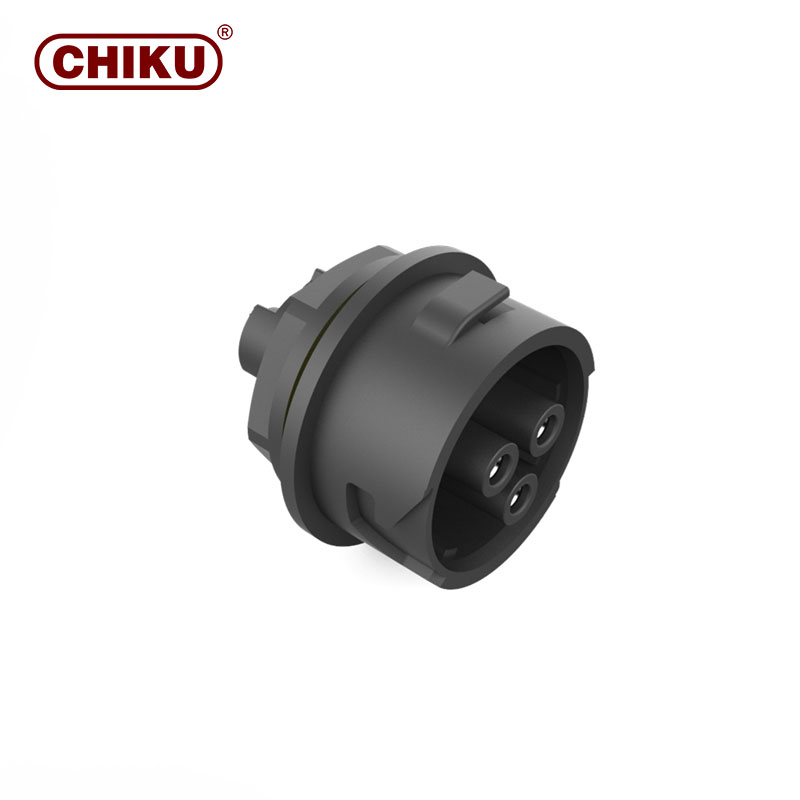
Proper inspection and maintenance of energy connectors are essential for keeping your energy system safe and efficient. How often you check them depends on several factors, including environment, usage, and weather conditions.
At minimum, inspect your energy connectors twice a year. This routine helps catch early signs of wear, corrosion, or dirt buildup before they cause problems. Schedule these inspections during regular system maintenance or cleaning times. For example, many solar energy systems benefit from spring and fall checks, matching seasonal changes.
During routine inspections, look for:
Corrosion or rust on metal contacts
Dirt, dust, or debris inside connectors
Loose or damaged connections
Signs of overheating or discoloration
Use a flashlight and magnifying glass if needed. Testing connectors with a multimeter can verify electrical continuity and performance.
Storms, heavy rain, or high winds can introduce moisture, dirt, or physical damage to connectors. After severe weather, inspect connectors promptly. Moisture can cause corrosion or short circuits if left unchecked. Look for:
Water ingress or trapped moisture
Debris lodged in connectors
Physical damage from wind or falling objects
Loose fittings due to vibration
Address any issues immediately to avoid system downtime or costly repairs.
Regularly monitor your system’s energy output and performance. A sudden drop in power or efficiency might indicate connector problems. If you notice unusual behavior, inspect connectors as part of troubleshooting. Early detection helps prevent bigger failures.
Consider installing system monitoring tools that alert you to voltage drops or irregular currents. These tools can highlight connector issues before they become visible.
Maximizing the life of your energy connectors is key to a reliable and efficient energy system. Taking simple precautions can prevent damage and keep connectors working well for years.
Moisture is one of the biggest enemies of energy connectors. Water can cause corrosion, rust, and electrical shorts. To keep connectors dry:
Install connectors in sheltered or covered locations whenever possible.
Use waterproof connectors designed for outdoor or harsh environments.
Apply dielectric grease to seal out moisture and protect metal contacts.
Check seals and boots regularly for cracks or damage that could let water in.
Avoid placing connectors where water tends to pool or drip.
Keeping connectors dry reduces corrosion risks and maintains a strong electrical connection.
Stress on cables and connectors can cause damage or loosening. To prevent strain:
Secure cables properly using clamps or ties to reduce movement.
Avoid pulling or twisting cables when connecting or disconnecting.
Use strain relief boots or flexible conduit to protect cables near connectors.
Ensure cables have enough slack to prevent tension during system vibrations or movement.
Train personnel to handle connectors gently and avoid yanking cables.
Reducing cable strain prevents broken pins, cracked connectors, and loose contacts.
Choosing quality connectors and accessories pays off long term. High-quality components offer better durability, weather resistance, and electrical performance. When selecting connectors:
Opt for connectors made from corrosion-resistant materials like stainless steel or nickel-plated metals.
Choose connectors rated for your system’s voltage, current, and environmental conditions.
Prefer connectors with secure locking mechanisms to prevent accidental disconnection.
Select brands with good reputations and certifications meeting industry standards.
Use dielectric grease and proper cleaning supplies recommended by manufacturers.
Investing in quality connectors reduces maintenance frequency and lowers the risk of failures.
Knowing when to replace energy connectors is vital for maintaining a safe and efficient energy system. Even with regular maintenance, connectors wear out over time. Recognizing the signs early helps prevent system failures and costly downtime.
Physical damage is a clear indicator that a connector needs replacement. Look for:
Cracks or breaks in the connector housing
Bent, broken, or corroded pins and contacts
Worn or frayed cables attached to the connector
Damaged locking mechanisms that prevent a secure fit
Such damage compromises the connector’s ability to maintain a stable electrical connection. For example, cracked insulation can expose wires, increasing the risk of short circuits or electric shock.
Beyond visible damage, connectors may show signs of degraded performance:
Frequent overheating during operation
Intermittent power loss or flickering
Increased resistance detected by a multimeter
Noticeable drop in system energy output
These symptoms often point to internal corrosion, dirt buildup, or loose contacts that cleaning cannot fix. If cleaning and tightening fail to restore performance, replacement is necessary.
Waiting for connectors to fail can cause bigger problems. Adopting proactive strategies helps avoid unexpected failures:
Replace connectors showing early signs of wear before complete failure
Follow manufacturer guidelines on connector lifespan and replacement intervals
Upgrade to higher-quality or weather-resistant connectors in harsh environments
Keep spare connectors on hand for quick swaps during maintenance
For example, in solar power systems exposed to harsh weather, replacing connectors every 5 to 7 years can prevent corrosion-related failures.
Tip: Regularly document connector condition and performance during inspections to identify trends and schedule timely replacements before failures occur.
Proper maintenance of energy connectors ensures safety and efficiency by preventing corrosion, dirt buildup, and loose connections. Regular inspections and cleaning extend the lifespan of systems, avoiding costly repairs and downtime. Using high-quality components, like those offered by Huntec, enhances durability and performance. Proactive replacement strategies further safeguard against unexpected failures, maximizing system reliability. Caring for energy connectors is a simple yet powerful way to improve system longevity and performance, reinforcing the value of Huntec’s products and services.
A: An energy connector is a component that facilitates the flow of electrical energy between system parts, ensuring efficient and safe energy transfer.
A: Maintain an energy connector by regularly cleaning, inspecting for damage, and applying dielectric grease to prevent corrosion and ensure a secure connection.
A: Maintaining energy connectors is crucial to prevent system failures, ensure safety, and extend the lifespan of energy systems by avoiding costly repairs.
A: Essential tools for maintaining energy connectors include a soft brush, electrical contact cleaner, dielectric grease, and a small screwdriver.


