
Views: 48 Author: Site Editor Publish Time: 2025-11-20 Origin: Site


Imagine a world without seamless energy transfer. Connectors are the unsung heroes of modern power systems, ensuring efficient electricity flow. But what exactly are these connectors, and why are they crucial today? In this post, you'll learn about the role of energy connectors in standardizing interfaces, enhancing safety, and optimizing energy flow in various applications.
Energy connectors are devices that enable electrical power transfer between components or systems. They act as the bridge linking energy sources, storage units, and consumption points. Connectors come in various shapes and sizes, tailored to specific applications and power requirements.
Common types include:
Power Connectors: Designed to handle high currents and voltages, often used in industrial machinery and energy storage systems.
Renewable Energy Connectors: Specialized connectors made for solar panels, wind turbines, and other green energy sources.
Battery Connectors: Used to link batteries within energy storage setups or to external systems.
Circular Connectors: Known for their robust, waterproof design, suitable for harsh environments.
Rectangular Connectors: Often used where multiple connections are needed in a compact space.
Each type varies in design to meet electrical, mechanical, and environmental demands.
Energy connectors consist of key components working together to ensure efficient and safe energy transfer:
Conductors: Metal parts that carry electrical current. Copper and aluminum are common due to their excellent conductivity.
Insulation: Materials surrounding conductors prevent electrical shorts and protect users from shocks. Insulation must endure environmental stresses.
Contact Points: The interfaces where connectors physically meet. These are designed to minimize resistance and maintain a stable connection.
Locking Mechanisms: Features like clips or screws that secure connectors in place, preventing accidental disconnections.
Housing: The outer shell that protects internal parts from dust, moisture, and mechanical damage.
Seals and Gaskets: Provide waterproofing and environmental protection, especially important for outdoor or harsh conditions.
Communication Interfaces (optional): Some connectors include integrated sensors or communication lines to monitor system status, temperature, or performance.
These components combine to provide reliable, efficient, and safe.
Energy connectors serve critical roles in modern power systems, enabling efficient, safe, and reliable energy transfer. Their applications span various functions essential to energy infrastructure.
Energy connectors provide a uniform interface between energy storage units, power sources, and consuming devices. This standardization ensures compatibility and interchangeability across different manufacturers and technologies. By having a common physical shape and electrical specification, connectors simplify installation and maintenance, reducing errors and downtime. For example, solar panels from different brands can connect seamlessly to inverters using standardized connectors, promoting interoperability.
Safety is paramount in energy systems, especially where high voltages and currents are involved. Energy connectors incorporate electrical isolation features to prevent accidental contact with live parts. They often include insulation barriers and locking mechanisms to secure connections, reducing risks of electric shock or short circuits. Additionally, connectors may have built-in safety features like touch-proof designs and protective housings that prevent dust, moisture, or contaminants from compromising safety.
Beyond simple connections, some energy connectors integrate control functions. They can help regulate voltage and current flow, ensuring energy is delivered efficiently and within safe limits. For instance, connectors may include current-limiting devices or enable communication with energy management systems to optimize charging and discharging cycles in battery storage. This control helps maximize system performance and prolong component life.
Modern energy connectors may include sensors and communication lines to monitor real-time system parameters such as temperature, voltage, current, and connection integrity. These monitoring capabilities allow early detection of faults or degradation, enabling preventive maintenance. For example, a connector in a solar array might report overheating or poor contact, prompting timely intervention before failure occurs. This smart functionality enhances reliability and reduces operational costs.
Energy connectors bring many advantages that make modern power systems more efficient, safe, and adaptable. Their key features help meet the demands of diverse energy applications.
Energy connectors use standardized plug-and-play designs. This modularity allows different devices, storage systems, and power sources to connect easily without custom adapters. It simplifies installation, maintenance, and upgrades. For example, a solar panel from one manufacturer can link seamlessly to an inverter from another brand if both use compatible connectors. This interoperability reduces costs and supports flexible system design.
These connectors are built to handle high power loads reliably, even in harsh environments. They resist corrosion, vibration, and temperature extremes. Their locking mechanisms prevent accidental disconnections, ensuring continuous operation. Energy connectors support both AC and DC currents, various voltages, and multiple applications—from residential solar setups to industrial energy storage and electric vehicles. This versatility means one type of connector can serve many purposes, reducing complexity.
As energy technology evolves, connectors must keep pace. Standardized connectors allow new equipment to integrate smoothly with existing systems. They support higher voltages and currents as power demands grow. Some connectors include smart features like communication lines and sensors, enabling real-time monitoring and control. This future-proofing helps utilities, businesses, and consumers adopt renewable energy and storage solutions more easily, improving grid stability and efficiency.
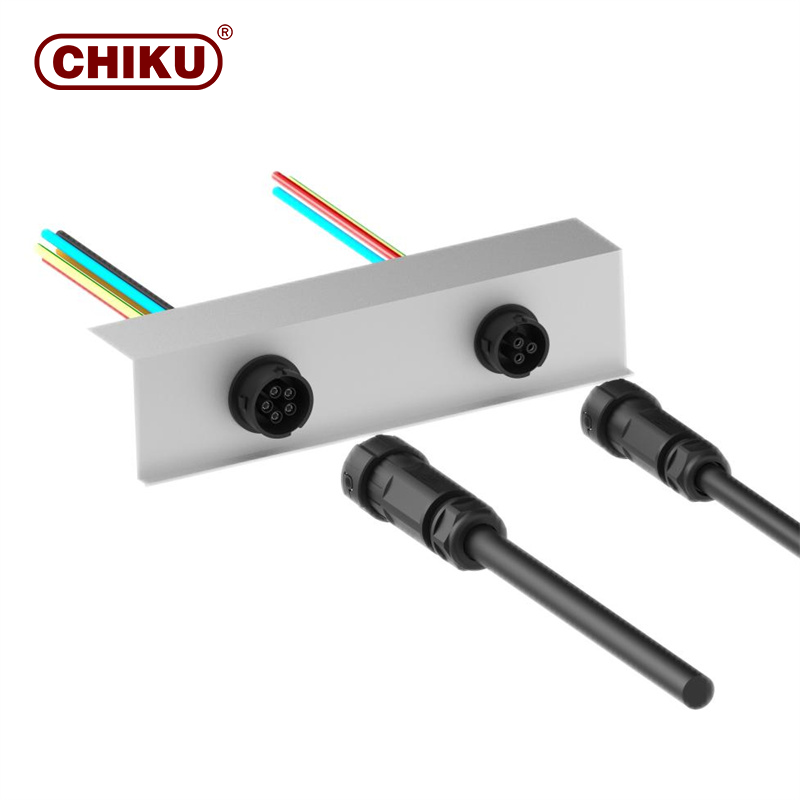
Energy connectors play a crucial role in solar power systems by linking solar panels to inverters, batteries, and other system components. They ensure smooth, efficient transfer of electricity generated by photovoltaic (PV) cells to where it’s needed. High-quality connectors reduce energy loss, improve system reliability, and simplify installation.
Solar connectors must handle DC voltages often up to 1500V and currents that vary with system size. They also need to resist harsh outdoor conditions such as UV exposure, rain, and temperature extremes. Connectors like the MC4 series have become industry standards because they provide secure, weatherproof connections that maintain performance over time.
In large solar farms, connectors enable modular system design. Panels can be added or replaced without rewiring the entire system. This flexibility supports scalable solar installations, from small residential arrays to vast commercial projects.
Efficiency in PV systems depends heavily on low-resistance, reliable connections. Energy connectors minimize voltage drops and heat generation at connection points, preserving the maximum power output from solar panels.
Safety is equally important. Connectors provide insulation and locking mechanisms to prevent accidental disconnections or exposure to live parts. This reduces risks of electric shock and fire hazards. Many solar connectors meet stringent certifications such as UL 6703 or IEC 62852, ensuring they comply with international safety standards.
Advanced connectors may also include features like integrated temperature sensors or communication lines. These allow monitoring of connection health and early detection of faults, reducing downtime and maintenance costs.
In summary, energy connectors in solar power systems are designed to:
Maintain secure, low-resistance electrical contacts
Withstand environmental stresses like moisture, UV, and temperature fluctuations
Provide safe electrical isolation and locking mechanisms
Support modular, scalable system designs
Enable monitoring and predictive maintenance through smart features
These capabilities make energy connectors vital for maximizing solar energy efficiency and system longevity.
Tip: When selecting connectors for solar power systems, prioritize those with proven weatherproof ratings and certifications to ensure long-term safety and efficiency.
Designing energy connectors requires careful consideration of several key factors. These influence how well the connector performs, how safe it is, and how long it lasts in its intended environment.
The voltage and current the connector must handle are primary design drivers. Connectors for high-voltage systems need robust insulation to prevent electrical breakdowns. High current demands require conductors with sufficient cross-sectional area to avoid overheating and energy loss. For example, connectors in electric vehicle charging stations often handle hundreds of volts and tens or hundreds of amps, so they use thick copper contacts and strong insulation.
Designers must also consider transient voltages or current spikes, ensuring connectors can tolerate short bursts without damage. The connector's rating must match or exceed the system's maximum expected electrical loads to maintain reliability and safety.
Energy connectors often operate outdoors or in harsh industrial settings. They must withstand temperature extremes, moisture, dust, chemicals, and mechanical vibrations. Materials selected for housings and seals must resist corrosion and degradation over time.
For outdoor solar installations, connectors need UV-resistant coatings and waterproof seals to prevent moisture ingress. In industrial environments, connectors might require ruggedized metal shells and shock-absorbing features. The design must also consider thermal expansion and contraction, ensuring connections remain tight despite temperature changes.
Compliance with safety standards is essential. Connectors undergo rigorous testing to verify their performance under electrical, mechanical, and environmental stresses. Standards like UL, IEC, and CSA specify requirements for insulation, flammability, temperature ratings, and mechanical durability.
Testing includes:
Dielectric withstand voltage tests
Contact resistance measurements
Mechanical endurance through repeated mating cycles
Environmental exposure tests (humidity, salt spray, UV)
Meeting these standards ensures connectors safely handle energy transfer without risk of failure, fire, or electric shock. Certification also helps users trust the connector's quality and reliability.
Energy connectors play a vital role in ensuring power systems work reliably and safely. They are not just simple links but key enablers of efficient energy transfer, safety in high-voltage environments, and flexibility for future growth.
Energy connectors must transfer electricity without interruptions or losses. Reliable connectors reduce resistance, preventing energy waste through heat. This efficiency is crucial in renewable energy systems, where every bit of power counts. For example, solar farms rely on connectors that maintain stable connections despite weather or vibrations. A poor connection can cause power dips or shutdowns, affecting overall system performance.
Good connectors also withstand repeated connections and disconnections without degrading. This durability ensures long service life and reduces maintenance costs. In critical applications like electric vehicles or industrial machinery, reliable connectors avoid costly downtime and safety risks.
High-voltage power systems pose serious safety risks if connectors fail. Energy connectors include insulation and locking mechanisms to prevent accidental contact with live parts. They also provide electrical isolation to stop current leakage or short circuits.
For instance, connectors used in battery storage systems or solar arrays often handle hundreds or thousands of volts. Their designs meet strict safety standards such as UL or IEC certifications. These ensure connectors resist electrical breakdowns and environmental hazards like moisture or dust.
Safety features protect both equipment and people. Locking clips prevent connectors from loosening during operation. Touch-proof housings guard against electric shock. These measures are essential in industrial, commercial, and residential settings.
Energy systems are evolving rapidly, needing connectors that adapt easily. Standardized connectors allow different devices and technologies to connect without custom parts. This flexibility simplifies upgrades, expansions, or replacements.
For example, as battery technologies improve, new storage units can plug into existing systems using compatible connectors. This scalability supports growing energy demands and integration of new renewable sources.
Modular connector designs also reduce installation time and cost. They enable system designers to mix and match components from various suppliers. This open approach encourages innovation and future-proofs energy infrastructure.
Tip: When selecting energy connectors, prioritize those rated for your system’s maximum voltage and current, and that comply with recognized safety certifications to ensure reliability and protection.
Energy connectors are crucial for reliable, efficient, and safe energy transfer in power systems. They enable standardization, safety, control, and monitoring, supporting diverse applications. As technology evolves, energy connectors must adapt to accommodate higher demands and integration needs. Companies like Huntec offer advanced connectors that ensure system compatibility, safety, and efficiency, providing significant value to modern energy infrastructures.
A: An energy connector is a device that facilitates electrical power transfer between components or systems, acting as a bridge between energy sources, storage units, and consumption points.
A: Energy connectors link solar panels, wind turbines, and other green energy sources to inverters and batteries, ensuring efficient and safe energy transfer.
A: Energy connectors incorporate insulation and locking mechanisms to prevent accidental contact with live parts, reducing risks of electric shock and short circuits.
A: Factors include voltage and current levels, environmental conditions, and compliance with safety standards, ensuring reliable and safe performance.
A: Energy connectors in solar power systems reduce energy loss, improve reliability, and simplify installation by maintaining secure, weatherproof connections.


