


Connectors are everywhere, but how often do we really think about them? These small devices are crucial in linking electrical circuits, ensuring signals and power flow seamlessly. In this article, we will explore what connectors are and their significance in electrical systems. You'll learn about different types and applications, helping you understand their vital role in modern technology.
Connectors are devices that join electrical circuits together, allowing electricity or signals to flow between components. They act as bridges, linking power sources to devices or enabling communication between electronic parts. Essentially, connectors provide a secure and detachable interface that makes assembling, repairing, or upgrading electrical systems easier.
Connectors come in many forms, each designed for specific roles in electrical systems. The main types include:
Power Connectors: These carry electrical power to devices. Examples include plugs and sockets for AC or DC power.
Signal Connectors: Used to transmit control or sensor signals between devices.
Data Connectors: Facilitate the transfer of digital information, like USB or Ethernet connectors.
Each type varies in size, shape, and electrical capacity, tailored to the needs of its application.
Connectors are everywhere in modern technology. They appear in:
Consumer Electronics: Phones, computers, and appliances use connectors for power and data.
Industrial Machinery: Heavy equipment relies on rugged connectors to handle high currents and harsh environments.
Renewable Energy: Solar panels use specialized connectors to ensure safe, efficient power transfer.
Automotive: Vehicles employ connectors for battery power, sensors, and communication systems.
Telecommunications: Connectors enable fast, reliable data transmission across networks.
Their adaptability makes connectors vital for building flexible, maintainable electrical systems.
Connectors are essential in electrical systems, and they come in various types to suit different needs. The three main types are power connectors, signal connectors, and data connectors. Each type serves a unique purpose and fits specific applications.
Power connectors carry electrical power from a source to a device. They handle the flow of electricity to ensure devices operate safely and efficiently. Power connectors can be further divided into:
AC Power Connectors: These connectors supply alternating current, commonly used in household and industrial power systems. Examples include wall plugs and sockets that connect appliances to the main power supply. They vary by country in voltage, shape, and safety features.
DC Power Connectors: These connectors carry direct current, often found in electronics, automotive systems, and battery-powered devices. They come in various shapes like barrel connectors or banana plugs, designed to prevent incorrect connections.
High-Current Connectors: Designed for applications requiring large amounts of power, such as industrial machinery or electric vehicles. They are built to handle high amperage safely and often include robust locking mechanisms for secure connections.
Signal connectors transmit control or sensor signals between components. These connectors are usually smaller and designed to carry low-voltage signals without interference. They are common in automation systems, audio equipment, and instrumentation. Signal connectors ensure accurate communication between devices, maintaining system reliability.
Data connectors transfer digital information between devices. Examples include USB, HDMI, and Ethernet connectors. They support high-speed data transmission and are essential in computers, networking, and consumer electronics. Data connectors often include shielding to reduce electromagnetic interference, preserving data integrity.
Power connectors play a crucial role in delivering electrical energy safely and efficiently from a power source to devices. They come in different forms, each designed for specific uses and electrical requirements. Understanding the main types—AC power connectors, DC power connectors, and high-current connectors—helps in selecting the right one for your application.
AC power connectors carry alternating current, the type commonly supplied to homes and industries. These connectors include plugs, sockets, and adapters. They vary widely across countries due to differences in voltage, frequency, and safety standards. For example, a North American AC plug differs in shape and voltage rating from a European one. Safety features like grounding pins and polarized connectors prevent incorrect connections and reduce risks of electric shock.
AC connectors are used for appliances, lighting, and industrial equipment. Their design ensures they can handle the voltage and current typical of mains electricity, usually ranging from 100V to 240V and currents up to several amperes.
DC power connectors carry direct current, common in electronics, battery-powered devices, and automotive systems. They come in various shapes such as barrel connectors, banana plugs, and terminal blocks. Their design often prevents mismatching by using different sizes or keyed shapes. This helps avoid damage caused by connecting incompatible devices.
These connectors are essential in applications like laptops, renewable energy systems, and electric vehicles. They typically handle lower voltages than AC connectors but require secure connections to prevent power loss and ensure safety.
High-current connectors are built to handle large amounts of electrical current safely, often exceeding 30 amperes. They are vital in industrial machinery, electric vehicles, and power distribution systems where heavy power loads are common.
These connectors feature robust construction, multiple contact points, and strong locking mechanisms to maintain secure connections under vibration or movement. Materials used often provide excellent conductivity and heat resistance. Some high-current connectors also offer "touch-safe" designs, where contacts are recessed to prevent accidental contact with live parts.
Connectors are more than just plugs and sockets. They have key features that ensure a safe, reliable electrical connection. Understanding these features helps you choose the right connector for your needs.
Conductors are the metal parts inside connectors that carry electricity. They need to have excellent conductivity to reduce resistance and heat. Copper is the most common conductor because it balances cost and performance well. Some connectors use silver or gold plating on contacts to improve conductivity and prevent corrosion. Good conductors ensure efficient power transfer and reduce energy loss.
Insulation surrounds the conductors to keep electricity from escaping and causing short circuits or shocks. It also protects the connector from environmental damage. Materials like plastic, rubber, or silicone are common insulators. High-quality insulation resists heat, moisture, chemicals, and physical wear. This makes connectors safer and more durable in harsh conditions.
Contact points are where the connector’s metal parts touch each other to form an electrical path. They must fit tightly to maintain a low-resistance connection. The shape and finish of contact points affect how well they conduct electricity. Some connectors have gold-plated contacts to prevent corrosion and ensure long-term reliability. Well-designed contact points reduce signal loss and prevent connection failures.
Locking mechanisms keep connectors securely joined, preventing accidental disconnection. These are especially important in environments with vibration or movement, like vehicles or industrial machines. Common locking types include screws, latches, clips, or bayonet locks. A strong locking mechanism ensures the connector stays connected even under stress, maintaining system reliability and safety.
Tip: Always check a connector’s conductor material, insulation rating, contact design, and locking type to match your application’s electrical and environmental demands for the best performance and safety.
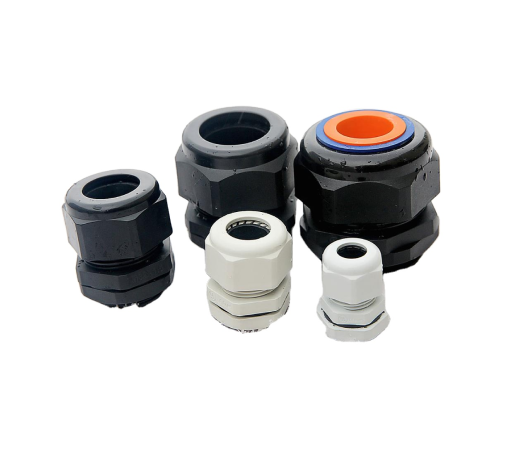
Selecting the right connector is crucial for any electrical system. It ensures safety, efficiency, and long-term reliability. When choosing a connector, consider these three main factors: electrical requirements, connector design, and environmental conditions.
First, check the voltage and current your application needs. Connectors come rated for different voltages and amperages. Using a connector with too low a rating can cause overheating or failure. For example, a connector rated for 10 amps should not be used in a circuit drawing 20 amps. Also, consider the type of current—AC or DC—as connectors are often designed specifically for one or the other.
Think about the signal type too. Power connectors differ from data connectors in how they handle electricity. Ensure the connector matches the electrical characteristics of your device to avoid damage or poor performance.
The physical design matters a lot. A connector must fit the device and cables properly. Size, shape, and pin configuration all play a role. Some connectors have keyed or polarized designs to prevent incorrect mating. This reduces the risk of damaging equipment by plugging in the wrong way.
Locking mechanisms are another design feature to consider. In environments with vibration or movement, connectors with secure latches or screws keep connections stable. Also, check the quality of contact points. Gold or silver plating can improve conductivity and resist corrosion, ensuring a reliable connection over time.
Where the connector will be used affects your choice. Harsh conditions like moisture, dust, extreme temperatures, or chemicals require connectors with appropriate protection. Look for connectors rated with IP (Ingress Protection) codes indicating resistance to water and dust.
For outdoor or industrial settings, rugged connectors with strong insulation and sealing prevent damage and maintain safety. UV resistance may be important for connectors exposed to sunlight. Also, consider if the connector needs to withstand frequent connect/disconnect cycles or mechanical stress.
Proper installation is vital for connectors to perform reliably. First, always follow the manufacturer’s instructions closely. Incorrect assembly can cause poor contact, leading to overheating or connection failure. Use the right tools for crimping, soldering, or tightening screws to avoid damaging the connector or wires.
Ensure wires are stripped to the correct length—too much exposed conductor risks shorts, too little may cause weak connections. When inserting wires, make sure they fit snugly into terminals. For connectors with locking mechanisms, engage them fully to prevent accidental disconnection.
Before final assembly, inspect contacts for dirt, oxidation, or damage. Clean contacts gently if needed. Also, avoid twisting or bending cables excessively near the connector, as this stresses the connection and can cause failure over time.
Regular maintenance keeps connectors working well and extends their life. Periodically check connectors for signs of wear, corrosion, or damage. Look for discoloration, cracks, or loose parts. Clean contacts carefully using appropriate contact cleaners to remove dirt or oxidation without harming the materials.
Tighten screws or locking mechanisms if they become loose. Replace connectors that show excessive wear or damage to avoid unexpected failures. For outdoor or harsh environments, inspect seals and insulation to ensure they remain intact and protective.
Routine maintenance is especially important in critical systems like industrial machinery, automotive, or renewable energy installations, where connector failure can cause downtime or safety hazards.
Complying with safety standards is essential when installing and maintaining connectors. Standards like UL, IEC, or CSA ensure connectors meet electrical safety, performance, and environmental requirements. Using certified connectors reduces risks of electrical shock, fire, or equipment damage.
Always verify that connectors match the voltage, current, and environmental ratings specified for your application. Follow local electrical codes and regulations during installation. Proper grounding and insulation must be ensured to protect users and equipment.
Safety standards also guide testing procedures for connectors, including vibration, temperature, and moisture resistance tests. Adhering to these standards ensures connectors remain reliable and safe throughout their service life.
Connectors are vital in electrical systems, joining circuits for power, signal, and data transfer. They ensure safe, efficient operation across various applications. As technology advances, connectors will continue evolving to meet new demands. At Huntec, we offer innovative connectors designed to enhance your electrical systems' reliability and performance. Our products are crafted with precision, ensuring they meet the highest safety and efficiency standards, providing exceptional value for diverse applications.
A: A connector is a device that joins electrical circuits, allowing electricity or signals to flow between components, facilitating easy assembly, repair, or upgrade of systems.
A: Connectors in consumer electronics link devices for power and data transmission, ensuring efficient operation of phones, computers, and appliances.
A: Different types of connectors are necessary to match specific electrical, data, and environmental requirements, ensuring safety and optimal performance.
A: The cost of connectors is affected by their type, material quality, and design features like locking mechanisms and insulation.
A: To troubleshoot a faulty connector, inspect for physical damage, clean contact points, check for secure connections, and ensure compatibility with the device.


